Sports Medicine
Concussion in sport and why the brain resists a fixed timetable
Every other injury in sport has acquired approximate durations. Concussion has resisted them because the injury is functional rather than structural, and its resolution cannot be observed directly.
A functional injury rather than a structural one
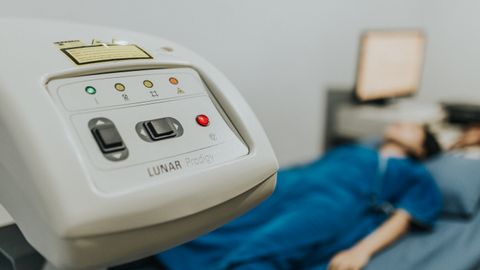
A concussion involves rapid acceleration and deceleration of the brain within the skull, producing disturbance in how neurons function. Standard imaging usually appears normal, because the disturbance is chemical and electrical rather than a visible change in structure. This is the reason a scan cannot confirm a concussion and is generally used to exclude more serious injury instead.
The absence of an objective test means assessment depends on symptoms, examination and comparison against how the athlete normally functions. That dependence on subjective report is precisely why the injury has been historically under-recognised across most contact sports.
Why the symptoms vary so widely
Concussion can produce headache, nausea, sensitivity to light or sound, difficulty concentrating, altered sleep and changes in mood. Which symptoms appear depends on the individual and on the details of the impact, so no two presentations look identical. Loss of consciousness occurs in only a minority of cases, which means its absence tells an observer very little.
Symptoms can also emerge some hours after the event, which is why an athlete cleared immediately still requires ongoing observation. The impact itself need not be to the head, since forces transmitted through the body can produce the same acceleration of the brain.
The role of baseline testing
Many programmes test cognitive function before a season so that a post-injury result has something meaningful to be compared against. Baseline testing helps because normal cognitive performance varies substantially between individuals for reasons unrelated to injury. The approach has limits, since baseline scores can be influenced by effort, fatigue and familiarity with the test itself.
It is therefore treated as one component of an assessment rather than as a gate that an athlete either passes or fails. An athlete who returns to their baseline score while still reporting symptoms has not demonstrated recovery in any meaningful sense.
Why the timeline cannot be fixed in advance
Recovery from concussion follows different courses in different people, and the factors driving that variation are not fully understood. Prior concussions, age, existing headache conditions and mental health history all appear to influence how recovery proceeds.
Because the resolution cannot be observed directly, clinicians rely on the disappearance of symptoms across increasing levels of exertion. Any statement about how long a particular athlete will need is a clinical judgement about that person rather than a general rule.
The graded return and why it exists
Return to sport after concussion proceeds through stages of increasing exertion, with progression contingent on remaining symptom free. The staged structure exists because exertion can provoke symptoms that were absent at rest, revealing incomplete recovery.
Return to study or work is managed alongside return to sport, since cognitive load is a genuine stressor during recovery. The protocol is administered by qualified medical staff, and no part of it is appropriate for an athlete to manage alone.
Culture is the remaining variable
Detection depends on athletes reporting symptoms, and the incentives in competitive sport push consistently against reporting them. Independent assessors, removal from play pending evaluation and rules preventing same day return all exist to remove that decision from the athlete.
Concern about the long term consequences of repeated head impacts has driven substantial rule changes across several sports. Anyone who suspects a concussion in themselves or another player should stop and seek medical assessment without exception.
- Standard imaging typically appears normal
- Symptoms are the primary information available
- Return decisions are strictly clinical
Also by Aarav Sharma
- Growth spurts and why coordination temporarily moves backwardsYouth Development
- Sweat, thirst and why hydration guidance keeps being revisedNutrition & Diet
- Five sets in the sun: thermoregulation across very long tennis matchesWimbledon
- Why the same injury ends one career and barely interrupts anotherTop