Injury Recovery
Scar tissue, remodelling and why a healed injury is never quite new
Repaired tissue is not replaced tissue. It is functional, often durable, and mechanically different from what was there before, which shapes everything that follows.
Repair is not regeneration
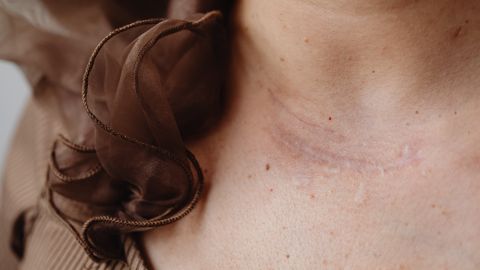
Some tissues in the body genuinely regenerate, replacing damaged material with tissue indistinguishable from what was lost. Most of the structures that fail in sport repair instead, restoring mechanical continuity using collagen laid down at the site. The distinction matters because repaired tissue has different stiffness, different extensibility and different failure characteristics.
This is not a defect in the process; it is a reasonable trade that prioritises rapid restoration of function over perfect replacement. The consequence is that a previously injured region behaves slightly differently under load for a very long time afterwards.
How collagen organises itself
Collagen initially laid down at an injury site is disorganised, with fibres running in no consistent direction. Mechanical loading provides the signal that gradually aligns those fibres along the lines of the forces the tissue must resist. This alignment process is slow and continues for many months after the athlete has stopped noticing any symptoms.
Tissue that has not been loaded during that period remains poorly organised and correspondingly less capable of resisting force. The direction of loading matters as much as the amount, since collagen aligns to the forces it actually experiences rather than to intention.
Why the region ends up stiffer
Scar tissue is generally stiffer than the tissue it replaced, which changes how strain is distributed across the region. A stiff patch within a more compliant structure concentrates strain at the boundary between the two, which becomes a focus of demand. This is one proposed reason why reinjury often occurs adjacent to a previous site rather than exactly at it.
The mechanics are well described in principle and vary enormously in practice depending on the tissue and the individual. Over months the stiffness difference typically narrows without disappearing entirely, which is part of why history keeps mattering.
The rest of the body adjusts around it
Movement patterns adapt around an injured region, and those adaptations frequently persist after the reason for them has resolved. The redistribution loads other structures differently, sometimes producing a problem in a region that was never injured.
Athletes are usually unaware of these compensations, which is why assessment after an injury looks beyond the injured site. Identifying and addressing them is a task for a physiotherapist working with the individual rather than a general exercise.
Why history is the strongest predictor
Previous injury is consistently among the strongest known predictors of future injury across most sports and most tissues. The explanation combines altered local mechanics, persistent compensations and whatever originally made the athlete susceptible. This is why medical staff take injury history so seriously when assessing a new signing or a returning athlete.
It also explains why the same athletes appear repeatedly on injury lists rather than problems being spread evenly across a squad. Treating that concentration as bad luck rather than as a describable pattern is one of the more expensive mistakes available.
Living with a repaired structure
Many athletes compete for years at the highest level on tissue that has been significantly injured and repaired. Doing so generally involves ongoing maintenance work and an understanding of which loads the region tolerates less comfortably.
What that maintenance consists of depends entirely on the individual and belongs with the clinicians who know their history. The realistic framing is management of an altered structure rather than restoration of one that no longer exists.
- Repair restores continuity, not original architecture
- Loading organises collagen along force lines
- Adjacent tissue compensates for altered mechanics