Injury Recovery
Why Rehabilitation Medication Needs Anti-Doping Screening
Drugs routinely prescribed during injury rehabilitation include prohibited substances, so every treatment decision for a tested athlete requires a check against the current list.
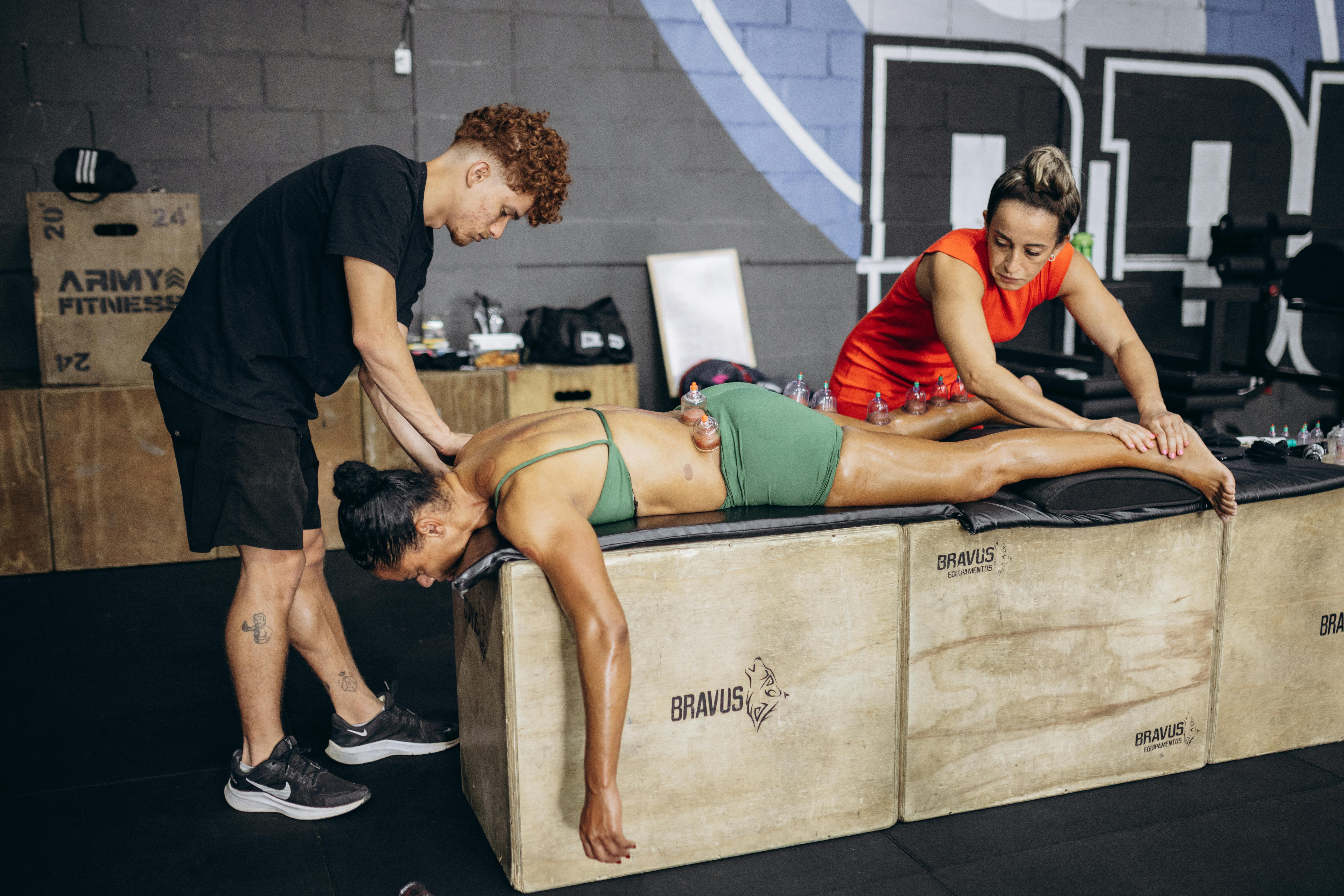
Injury treatment and anti-doping compliance intersect constantly, because several medications that are ordinary clinical choices for a recovering patient are prohibited for a competing athlete.
Common treatments appear on the prohibited list
Glucocorticoids administered by certain routes, some hormone treatments and a number of drugs used for pain and inflammation are restricted in sport.
Restrictions frequently depend on the route of administration rather than the drug itself, so an injection may be prohibited while a topical preparation of the same substance is not.
That distinction is not intuitive for clinicians outside sport, which is why an athlete treated in a general hospital setting is at particular risk of an inadvertent violation.
The check must be against the current list and the athlete's status
Lists are revised annually, so a substance permitted during a previous rehabilitation may not be permitted now, and reliance on memory is a recurring source of error.
Status matters too, since some substances are prohibited only in competition and the relevant question becomes when the athlete will next compete.
Washout periods must be calculated from the treatment date, and for some substances the clearance time is long enough to affect availability for a whole block of fixtures.
Exemptions have to be sequenced with treatment
Where a prohibited treatment is clinically indicated, an exemption application must generally be approved before administration, which introduces an administrative step into a clinical timeline.
Emergency treatment is handled retroactively, but an elective procedure during rehabilitation is not an emergency and will be assessed as an avoidable failure if unapproved.
Applications need the documentation that supports clinical necessity, which means the imaging and test results must exist before the treatment is given rather than afterwards.
Surgery and hospital care create the widest exposure
Perioperative care involves multiple drugs administered by staff who have no reason to know the patient is subject to anti-doping rules.
Good practice is for the team physician to notify the treating unit in advance and to obtain a full record of everything administered, including during anaesthesia.
That record is the evidence an athlete would need later, and it is far easier to obtain at the time than to reconstruct from a hospital archive months afterwards.
Testing does not pause during rehabilitation
An injured athlete in a registered testing pool remains subject to whereabouts obligations and can be tested at home or at a rehabilitation facility.
Athletes frequently assume that being unable to compete suspends the obligation, and missed tests during long injury absences are a well-documented failure mode.
Federations therefore include whereabouts compliance in return-to-play planning, treating it as part of the rehabilitation checklist rather than a separate administrative matter.