Wimbledon
Why Grass Court Line Calling Moved To Cameras
Electronic line calling replaced human judgement on tennis lines because grass distorts marks and skids the ball, making the surface the hardest place for the eye to work.
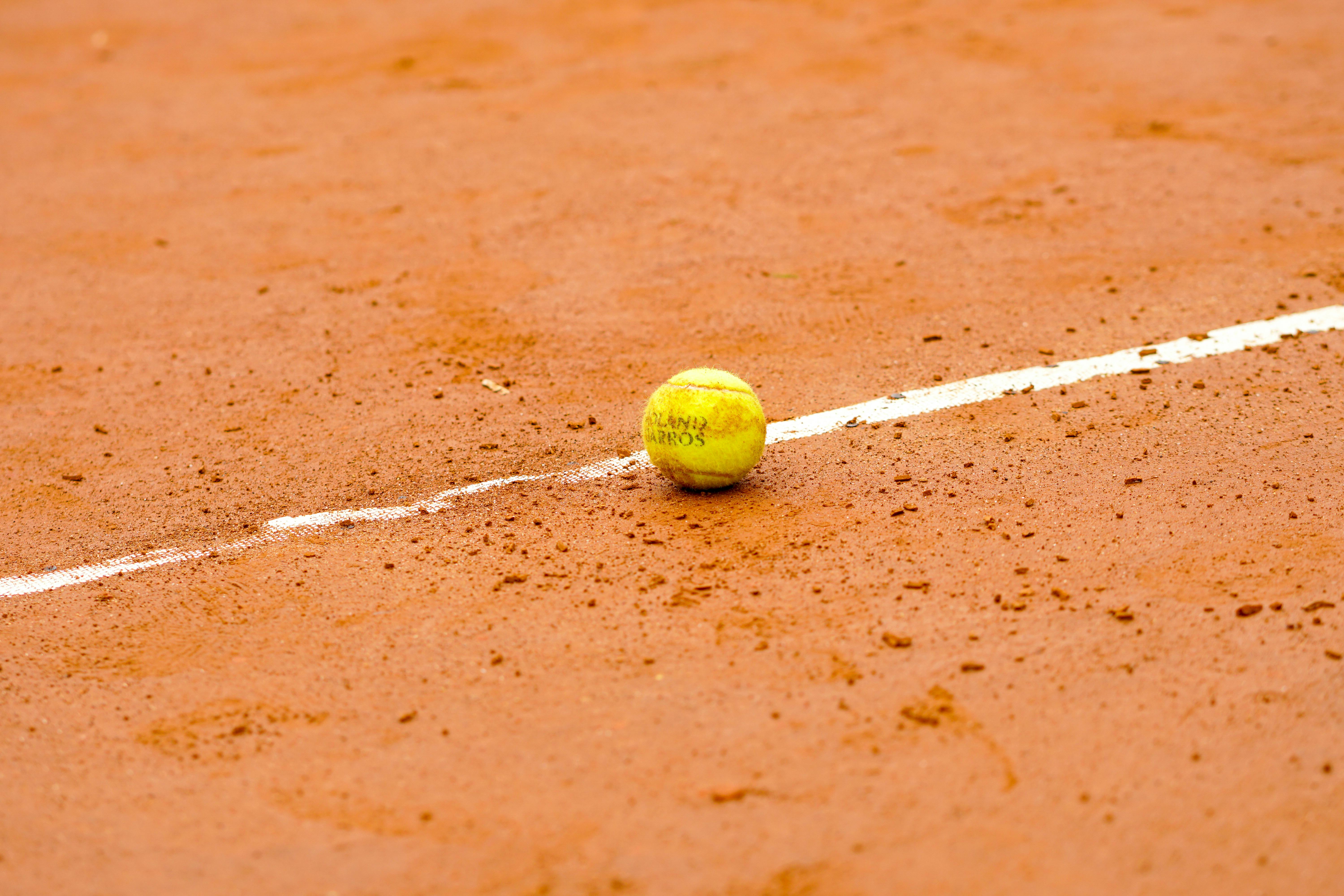
Line calling on grass has always been harder than on other surfaces, and the shift to camera-based systems removed a specific set of problems rather than simply adding technology. The surface itself was the difficulty.
Grass moves and marks unreliably
Clay holds a mark that can be inspected, which is why clay retains a manual review process. Grass leaves no reliable impression, and worn areas near the baseline confuse rather than clarify.
The court also changes across a fortnight. Lines wear, the surface flattens near the service boxes, and the visual reference an official uses degrades as the event progresses.
Painted lines on grass are themselves slightly raised and can shift with wear, which means the visible edge and the true edge are not always identical.
The ball behaves differently on contact
Grass produces a low, skidding bounce with a longer contact phase than a hard court. The ball stays near the line for a shorter visual window before it is away.
Officials therefore have less time to fix the contact point, and the sound cue that helps on other surfaces is muted. Both of the usual human inputs are weakened at once.
Faster serving compounds this. At the speeds seen on grass, the interval available to judge a landing point is at the limit of reliable human perception.
Camera systems measure rather than perceive
Tracking systems use multiple synchronised cameras to reconstruct the ball's trajectory and calculate where it contacted the surface, including the compression of the ball at impact.
The output is a computed contact area rather than a photograph of the moment. That distinction matters, because the displayed graphic is a model of the bounce, not a captured image.
Each installation is calibrated to the individual court and verified before play. Accuracy claims are stated as a margin, and the sport accepts decisions within that margin as final.
Removing challenges changes match rhythm
Where the system calls every line live, the challenge system disappears along with its tactical use as a pause. Players lose a legitimate way to interrupt an opponent's momentum.
Matches also lose the crowd participation that replay reviews generated. Some tournaments regard that as a loss of theatre and others as a removal of unnecessary delay.
Officiating workload shifts rather than vanishes. The chair umpire retains responsibility for the score, for the code of conduct and for system failures mid-point.
Failure handling is part of the design
Systems can drop out through obstruction, weather or hardware faults, and the rules must specify what happens to the point in progress.
Protocols normally allow the chair to make the call from his own view, or to order a let, depending on how the failure occurred and whether play was affected.
Tournaments retain some trained line officials for that reason. The human capability is kept as a fallback even where it is no longer the primary method.