Strength Training
How Equipment Rules Are Enforced In Competitive Lifting
Supportive equipment changes how much a lifter can move, so federations specify materials, dimensions and thickness, and check kit before a lifter is allowed on the platform.
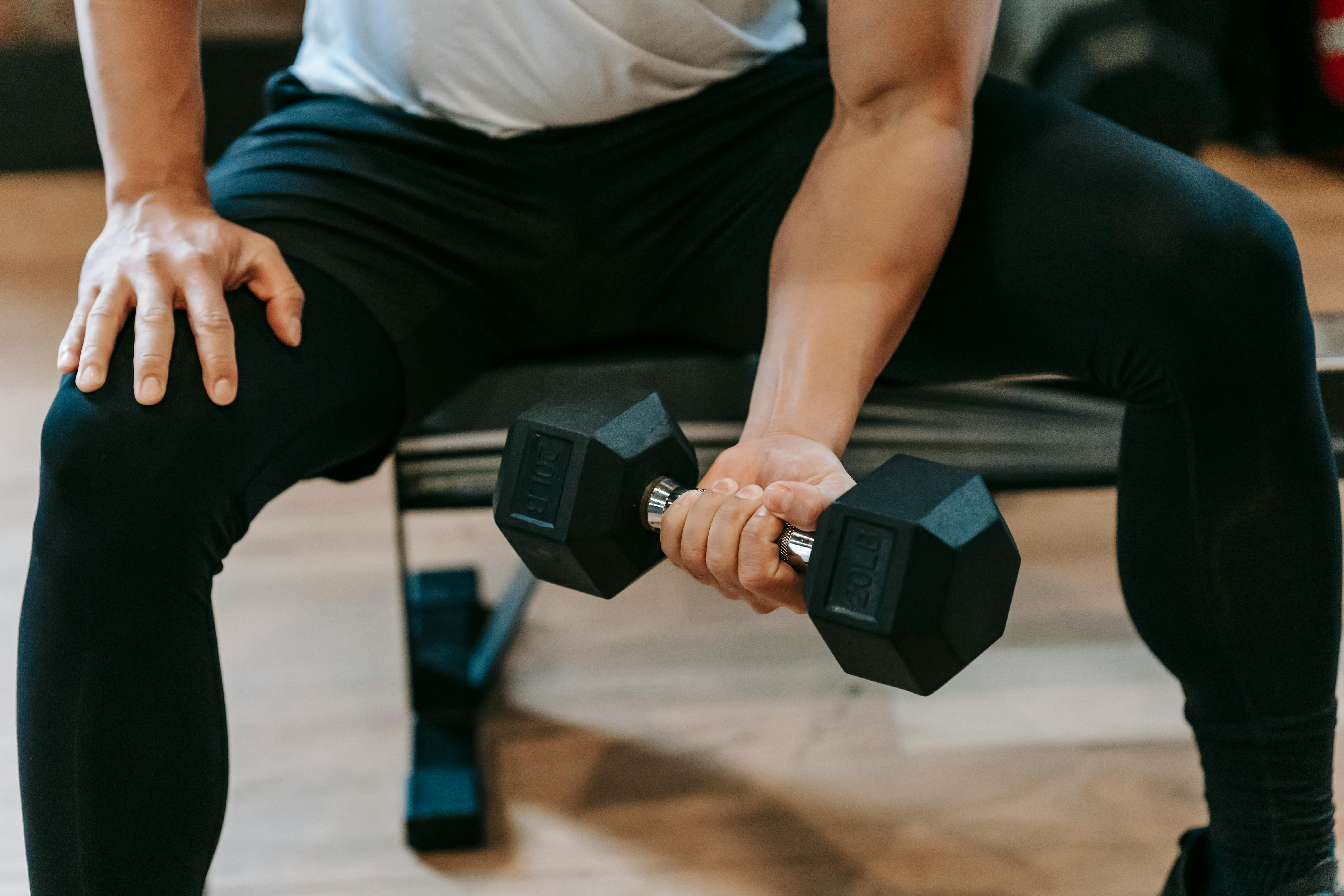
A lift is a measurement of an athlete, but supportive equipment alters what that measurement means. Federations therefore regulate kit in unusual detail and inspect it before competition.
Equipment changes the load the body must handle
Stiff supportive material stores energy at the bottom of a movement and returns some of it, reducing the work the muscles perform through the hardest range.
The effect is large enough that results in equipped and unequipped divisions are not comparable, which is why federations record them separately.
Rules must therefore define not only what is permitted but which division a lift belongs to, since the same lifter can compete in both.
Specifications are written as materials and dimensions
Regulations describe permitted fabrics, maximum thickness, seam construction, sleeve length and the number of layers, because those are the properties that determine support.
Writing rules in terms of measurable properties rather than performance effect makes them checkable by an official with a ruler at a competition.
Approved lists of specific products exist in many federations, which shifts the assessment to a pre-competition approval process rather than a judgement on the day.
Inspection happens before the lifter reaches the platform
Kit checks are conducted at weigh-in or in a designated area, where officials examine items against the approved list and check for alterations.
Common findings are modified seams, layered garments worn together and worn items that no longer match their approved specification.
Checking beforehand rather than afterwards avoids the situation where a record lift must be annulled once it has been celebrated.
Officials on the platform judge execution separately
Referees rule on depth, lockout, command timing and contact with the equipment, and their decisions are recorded by light signals so the panel votes independently.
Independent signalling matters because a visible first vote would influence the others, and a majority is required for a lift to stand.
Protests are heard by a jury with the power to overturn a decision, generally on limited grounds and within a short window after the attempt.
Record ratification adds a further layer
Records typically require the lift to occur in a sanctioned competition, with a doping control test taken immediately afterwards and equipment verified.
Ratification is a documentary process, and a record can fail on a missing form even where the lift itself was unquestioned.
That formality exists because a record stands indefinitely, and the cost of verifying it once is small compared with the cost of a disputed entry in the list.